
Waste and Recycling Transport Industry Inspections

admin • October 2, 2024

The regulator has declared that inspectors will commence visits to recognized workplaces in the sector starting this week, focusing on safety concerns related to loading and unloading, vehicle upkeep, and load securing. Sadly, since 2019, eight truck drivers and waste collectors involved in waste and recycling transportation have lost their lives, primarily due to vehicles rolling away or being involved in collisions. Among these heart-breaking incidents are two workers who were tragically crushed between their trucks and brick walls in separate occurrences: one in St Albans in July 2021 and the other in Melbourne's CBD in June 2023. Beyond these fatalities, over 400 truck drivers and garbage collectors in the waste and recycling industry have sustained serious injuries warranting workers compensation over the past five years. The most prevalent causes of injury include body stress, falls, being struck by moving objects, and incidents involving vehicles.

WorkSafe Executive Director of Health and Safety Sam Jenkin said the transportation of waste carried unique risks that employers must take every reasonable step to control. "Workers in the waste transport sector often work in confined conditions with unpredictable loads that can become unstable, while improper maintenance can lead to damaged vehicles, skips, bins and lifting gear – putting workers and others at risk," Mr Jenkin said.

The focus on waste management transport is part of a wider WorkSafe push to improve safety in the heavy vehicle transport industry, through strategic visits, compliance and enforcement, and industry partnerships.

For More Information: https://www.worksafe.vic.gov.au/news/2024-10/inspections-put-spotlight-waste-transport-harm


By admin January 27, 2026
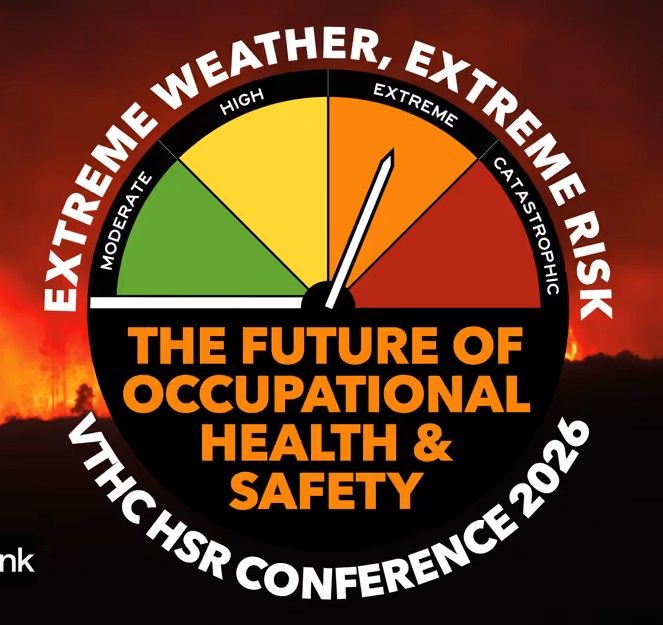
Australia is a fire-prone country, and workplaces in many areas are at risk of being impacted by bushfires in some way. The effects of bushfires may include direct exposure to fire, as well as smoke exposure and psychological impacts. As with any workplace hazard, employers have a duty to manage and control the risk of injury. A bushfire risk assessment should therefore be undertaken. Through this process, employers should: Identify whether there is a potential bushfire hazard Assess the risk of bushfires affecting the health and safety of workers, including smoke exposure Identify appropriate control measures Review control measures to ensure they are effective and that no new hazards have been introduced Consultation with workers should occur at each stage of this process. When developing a bushfire risk assessment and policy, employers should consider the following: How will fire danger ratings be monitored throughout the bushfire season? How vulnerable is the workplace location? What actions will be taken on days of extreme or catastrophic fire danger? Are there workers who travel for work or spend significant time on the road? Are there workers who operate alone or in isolated locations? What emergency and evacuation plans are in place? Once a bushfire policy has been developed in consultation with workers, appropriate training must be provided. Employers are legally required to ensure workers receive the necessary information, instruction, and training to remain safe at work, including in relation to bushfire risks. For more information, take a look at: Working outside - Working near bushfires | Safe Work Australia
By admin January 19, 2026
Under the Victorian Occupational Health and Safety Act 2004 , Health and Safety Representatives (HSRs) are not required to be trained in order to exercise their powers. However, in order to fully understand their role and powers, training is highly beneficial and recommended by WorkSafe. Most HSRs will not understand how to make the most of their role as an HSR without participating in training – and therefore it is not until training has been completed that an HSR can maximise their positive impact upon the safety of their workplace. HSRs rights in relation to training are outlined under Section 67 of the OHS Act. They include: The right to attend initial training after being elected The right to attend a refresher course at least once a year The right to choose their course. This includes their course provider and course* The right for their course to be paid for by their employer, as well as associated costs with attending the course The right to be paid while attending the course *The course must be approved by WorkSafe and delivered by a WorkSafe approved provider, such as BeSafe. The HSR must consult with their employer and give 14 days notice. Section 69 of the OHS Act also discusses further the rights of HSR to training. This covers the right to attend additional training, when WorkSafe has approved them under Section 69 . HSRs have a right to attend these courses on top of the s67 courses. HSRs can be a very useful resource for employers in helping to create safe and healthy workplaces. It is in their best interest to encourage their HSRs to be trained. However, in the case where an employer does not allow the HSR to be trained as per the requirements under The Act, there are penalties which apply to this conduct, as it is a breach of the Legislation. For more information take a look at: Health and safety representative training | WorkSafe Victoria HSRs' Right to Training - OHS Reps Or get in contact with us for assistance: 0467002060 HSR Training and support | BeSafe | Regional Victoria You can book WorkSafe approved courses with us at HSR Training Courses | BeSafe | Regional Victoria