
Injuries in Education

admin • March 30, 2026

Victorian teachers have taken to the streets in one of the largest rallies seen in recent times. The teachers are asking for change and this applies to fair pay and conditions, but also safety. Teachers and those in our education system can be subjected to unsafe work environments and psychosocial hazards are common, with occupational violence and aggression being a key concern.


According to WorkSafe statistics, the most common injuries experienced by those working in education are:

Psychological injury 24%

Knee injuries 11%

Back injuries 10%

Shoulder injuries 8%

Ankle injuries 7%

Hand injuries 6%


WorkSafe’s data shows that the top hazards which most commonly cause harm in the education workplace are:

Classroom and office ergonomics

Handling people

Lifting and carrying

Psychosocial

Slips trips and falls

Working with machinery


As with all workplaces, there is a legal requirement for the employer to comply with the OHS Act and this includes the requirement to provide a safe work environment. This duty applies to staff and also to members of the public. This includes students and visitors.

Education institutions must comply with legal obligations to consult on OHS matters as well as provide training.

For more information on injury and hazard statistics visit Injury hotspots - Education | WorkSafe Victoria

For safety training with BeSafe, get in touch HSR Training and support | BeSafe | Regional Victoria

By admin August 10, 2026
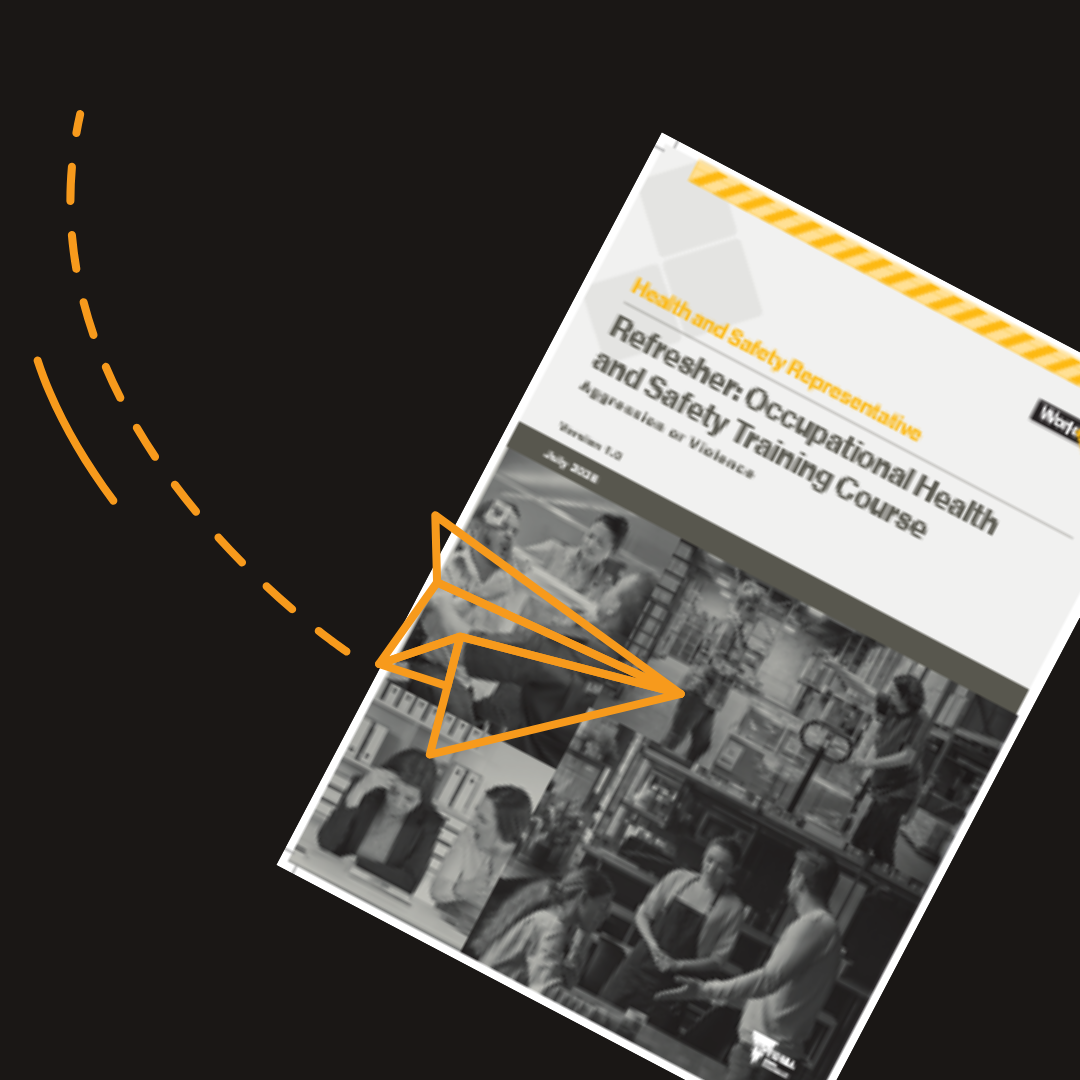
BeSafe Victoria is pleased to announce the upcoming delivery of a new Health and Safety Representative (HSR) Refresher OHS Training Course focused on Aggression and Violence in the workplace . This is a brand new WorkSafe developed training course, which equips HSRs with practical knowledge and skills to address one of the most significant psychosocial hazards facing Victorian workplaces today. Workplace aggression and violence can occur in any industry and the impacts can be both physical and psychological, not only affecting the person directly involved but also those who witness or are exposed to these incidents. Impacts also extend beyond the workplace to affect family and community. The new course explores aggression and violence through a risk management lens, building skills in hazard identification, assessing risks, finding effective controls and in contributing to effective workplace consultation. The training aligns with the growing emphasis on managing psychosocial hazards and reflects contemporary workplace health and safety expectations, including the management of aggression and violence as a workplace risk. The knowledge gained is important in ensuring that legal obligations, including those relating to the Psychological Health Regulations, are met and that workplaces are safe. As always, BeSafe Victoria is committed to providing engaging, practical and relevant training. This new refresher course offers an excellent opportunity for participants to strengthen their knowledge, build confidence in addressing workplace risks and return to their workplaces with practical strategies for supporting safer work environments. Bookings for this new HSR Refresher OHS Training Course on Aggression and Violence will be available soon. To register your interest, go to HSR Training and support | BeSafe | Regional Victoria or email us at info@besafevictoria.com.au  We look forward to helping you create safer, healthier and more respectful workplaces across Victoria.
By admin July 27, 2026
When Winter sweeps across Victoria, temperatures can drop sharply, especially in regional areas and early mornings. For outdoor workers, or those in cold storage and refrigerated environments, these conditions aren’t just uncomfortable, they can be dangerous if not managed properly. Working in a cold environment can lead to: Hypothermia : when body temperature drops below safe levels. Frostbite : damage to skin and tissue from freezing. Reduced dexterity : making tasks harder and increasing risk of incidents. Slips and falls : from ice, frost, or wet surfaces. Fatigue : as the body works harder to stay warm. Increase in prevalence of other conditions: such as arthritis and bronchitis. Under the Victorian Occupational Health and Safety Act 2004 (The Act), employers must provide a safe working environment. This includes: Identifying cold-related hazards. Implementing control measures to eliminate or reduce the risk as far as reasonably practicable. Follow a risk management process in relation to the hazard. Consult with your workforce throughout the process. When you have identified that you have a cold hazard in your workplace, you must control the risk as far as reasonably practicable. As, always this means working through the Hierarchy of Control from top to bottom. Here are some ways you could think about controlling the cold hazard in your workplace: Eliminate: Think about changing work scheduling if weather is extreme. Substitute: Think about whether you could move the work to another location. Isolate: Protect the workers from the cold, for example by providing shelter. Engineer: Can you provide heating or insulation in this work situation? Administrative controls: Could include changes to the workflow or rosters. Training must be provided, including training in the signs of cold stress and treatment. PPE: Such as weatherproof clothing, hats, face covers, boots, and allowing for drying or replacement of gear.  Don’t forget that, under The Act, Consultation must be undertaken at every step of the process. Monitoring of the controls must also occur, especially as conditions change. Frosts and wind chill factor should be taken into account, as well as seasonal or unexpected weather changes. Cold conditions in Victoria can be managed with the right planning, clothing, and awareness. Employers and workers share the responsibility to ensure everyone stays safe, warm, and healthy through the winter months. Health and safety representatives are a key part of the co-operative process required to create safe workplaces. For more information on this topic, take a look at: Cold - OHS Reps Extreme cold | Comcare For specific guidance regarding cold storage facilities: Safe operation of cold storage facilities: A handbook for workplaces | WorkSafe Victoria